by Siva | Apr 19, 2025 | General Insights |
HR professionals are often seen as the rock of the organization—the steady, unshakable force that manages crises, delivers tough news, and keeps things running smoothly. But behind the calm exterior lies a deeply human story rarely told.
The Invisible Emotional Labor
Every day, HR carries the emotional weight of countless others—anxiety about job security, personal hardships, conflicts, and fears. They listen without judgment, absorb pain without complaint, and respond with empathy even when their own hearts are heavy. But who listens to HR? Who checks in on the person delivering the layoffs, mediating disputes, and offering a shoulder to cry on?
The Silent Struggles of Compassion Fatigue
Constant exposure to others’ struggles can wear down even the strongest spirit. Compassion fatigue isn’t just burnout—it’s a numbing of emotions from caring too much, too often, without space to heal.
HR pros face this quietly, often pushing aside their own needs to be the support system for everyone else. They hide tears, swallow frustration, and mask exhaustion because the show must go on.
The Courage to Be Vulnerable
What if HR could show vulnerability without fear of judgment?
What if asking for help was seen as strength, not weakness?
Acknowledging the emotional toll of HR work is the first step toward a healthier, more sustainable workplace—not just for those they support but for HR themselves.
A Call for Compassion—for HR, Too
If you’re in HR, remember: your feelings matter. Your struggles are real. You deserve the same kindness and care you offer others every day. And if you work alongside HR, take a moment to ask how they’re doing. Offer a listening ear. Recognize their silent sacrifices. Because behind every policy and process is a human heart — often carrying more than you know.

by Siva | Apr 18, 2025 | Career Advancement, General Insights |
What is HR? Understanding the Heart of Every Organization
Human Resources, or HR, is often called the backbone of any organization. But what exactly does HR do? Simply put, HR is the department responsible for managing everything related to employees—from hiring new talent to resolving workplace issues, managing benefits, and ensuring compliance with laws.
HR professionals are the people behind the scenes who keep the workplace running smoothly and employees supported. They handle recruitment, onboarding, employee relations, payroll, and much more, making sure everyone has what they need to perform at their best.
Human Resource Management (HRM): More Than Just HR
While HR and Human Resource Management (HRM) might sound like the same thing, there’s a subtle but important difference. HRM refers to the strategic approach to managing people in a way that aligns with an organization’s goals. It’s about more than just day-to-day tasks—it’s a philosophy and a set of processes aimed at maximizing employee potential to boost the company’s overall success.
Think of HRM as the brain behind the department’s actions: setting policies, planning for future talent needs, and creating a work culture that drives performance and engagement.
Key Functions of HRM: What Does It Really Involve?
Here are some of the core activities HRM covers, which go beyond the traditional image of HR as just hiring and firing:
- Talent Acquisition
Finding the right people for the right jobs is fundamental. HRM ensures a fair, unbiased recruitment process that attracts qualified candidates, helping build a strong workforce.
- Training and Professional Development
Once hired, employees need continuous learning opportunities. HRM identifies skill gaps, designs training programs, and measures their success to keep the team growing.
- Employee Engagement and Satisfaction
Happy employees are productive employees. HRM focuses on creating a positive workplace environment that encourages motivation, commitment, and overall satisfaction.
- Compensation and Benefits Management
Competitive pay and benefits keep employees motivated and loyal. HRM conducts salary benchmarking, manages payroll, and designs benefit plans to ensure fairness and competitiveness.
- Conflict Resolution
Workplaces aren’t always smooth sailing. HRM handles conflicts between employees or management calmly and fairly, promoting harmony and clear communication.
- Performance Management
Setting expectations, providing feedback, and evaluating employee performance help individuals and teams reach their full potential.
- Building Organizational Reputation
HRM also plays a vital role in shaping the company’s culture and reputation—both inside and out. It promotes ethical standards, diversity and inclusion, and communicates the organization’s values clearly.
Why HRM Matters for Every Organization
Effective HRM connects people with purpose. It ensures the right talents are hired, developed, and supported while aligning everyone’s efforts with the company’s mission and goals. When HRM is done well, employees feel valued, workplaces thrive, and organizations gain a competitive edge. In today’s fast-evolving business world, HRM is not just a support function; it’s a critical driver of success. It shapes how organizations attract talent, adapt to change, and build a culture that lasts.
In summary, HR handles the essential daily management of people, while HRM provides the strategic vision and structure that make these efforts meaningful. Together, they create a workplace where employees can succeed and organizations can grow.
by Siva | Apr 17, 2025 | General Insights |
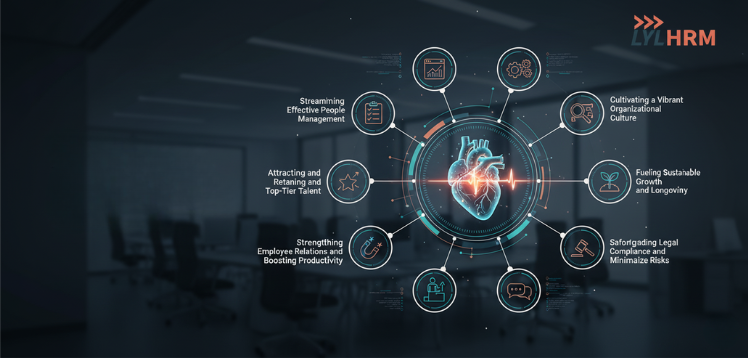
In today’s rapidly evolving and competitive marketplace, Human Resource Management (HRM) has transformed from a routine administrative task into a pivotal catalyst for organizational excellence. HRM shapes talent, nurtures company culture, and aligns workforce strategies with overarching business ambitions. Here are eight compelling reasons why HRM is indispensable to driving business success:
- Cultivating a Vibrant Organizational Culture
A thriving organizational culture fosters employee engagement, collaboration, and innovation. HRM spearheads the creation of an inclusive and empowering work environment, where shared values and purpose inspire teams to perform at their best.
- Steering Strategic Workforce Planning
HRM acts as a strategic advisor, anticipating talent needs and crafting workforce plans that synchronize with corporate objectives. By aligning human capital with business priorities, HR ensures the right expertise is in place to propel the company forward.
- Fueling Sustainable Growth and Longevity
Long-term business vitality depends on a skilled, adaptable workforce. HRM champions continuous professional development, succession planning, and leadership cultivation—essential elements for enduring growth and market resilience.
- Safeguarding Legal Compliance and Minimizing Risks
Navigating complex labor laws, safety standards, and regulatory requirements is critical. HRM provides a vigilant framework to ensure compliance, mitigating legal liabilities and protecting the organization’s reputation.
- Strengthening Employee Relations and Boosting Productivity
Positive employee relations are the foundation of a productive workforce. HRM promotes open communication, conflict resolution, and fairness, cultivating an engaged and motivated team that delivers superior results.
- Empowering Leadership at All Levels
HRM equips managers with vital resources, training, and guidance to lead effectively. When managers are empowered to inspire, evaluate, and develop their teams, organizational performance improves significantly.
- Attracting and Retaining Top-Tier Talent
Securing high-caliber professionals requires a strategic approach. HRM drives innovative recruitment, compelling employer branding, and retention initiatives that minimize turnover and sustain organizational knowledge.
- Streamlining Effective People Management
From onboarding new hires to performance evaluations, HRM ensures every phase of the employee journey is seamless and supportive. Clear policies, efficient processes, and continuous engagement create an environment where employees flourish.
Conclusion
Human Resource Management is far beyond paperwork—it is the backbone of business success. By cultivating culture, guiding strategic workforce planning, managing talent, and ensuring compliance, HRM lays the groundwork for companies to innovate, grow, and thrive. Investing in robust HRM practices isn’t just beneficial for people—it’s essential for securing a company’s competitive edge and future prosperity.
by Siva | Apr 16, 2025 | Career Advancement |
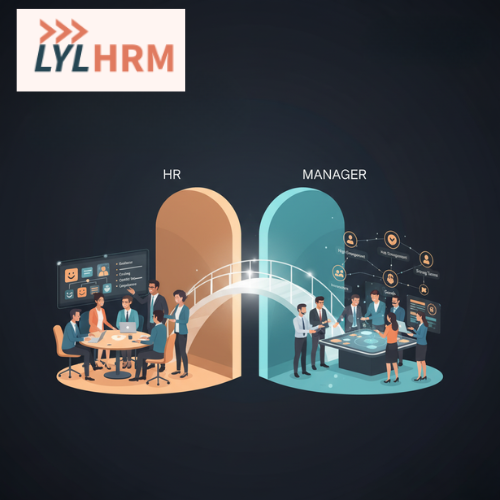
Managers play a pivotal role in any organization. They are the bridge between leadership and employees, responsible for guiding teams, making decisions, and driving results. However, managing people effectively is no easy task — and that’s where Human Resources (HR) steps in as a crucial partner.
Why Managers Need HR Support
Managing teams involves balancing goals, handling conflicts, motivating employees, and ensuring productivity — all while aligning with the company’s policies and culture. Without proper support, managers can feel overwhelmed or unprepared to tackle these challenges.
HR provides the resources, tools, and guidance that empower managers to lead confidently and effectively.
Key Ways HR Supports Managers
- Providing People Management Guidance:
HR offers advice on best practices for communication, team motivation, and conflict resolution, helping managers handle sensitive situations professionally and constructively.
- Offering Training and Development:
Continuous learning opportunities — from leadership workshops to skill-building courses — help managers stay up to date with the latest management techniques and boost their confidence.
- Assisting with Performance Management:
HR helps managers set clear expectations, conduct fair performance reviews, and implement improvement plans, ensuring employees stay motivated and accountable.
- Supporting Conflict Resolution:
When disputes arise, HR provides a neutral, structured approach to resolve conflicts, helping maintain a positive and productive workplace.
- Facilitating Compliance and Policy Understanding:
HR ensures managers understand legal requirements and company policies, reducing risks related to workplace laws and fostering fairness.
The Impact of Empowered Managers
When HR equips managers with the right support, the entire organization benefits:
- Stronger employee-manager relationships
- Higher employee engagement and retention rates
- More effective and timely decision-making
- Greater innovation and creative problem-solving
- Improved customer satisfaction through better team performance
- A more positive and adaptable organizational culture
Conclusion: A Partnership That Drives Success
HR isn’t just a support department—it’s a strategic partner that equips managers to lead with skill and confidence. By empowering managers, HR helps build stronger teams, foster a healthy work environment, and drive lasting business success.
Together, HR and managers create the foundation for a thriving workplace where both people and business flourish.

by Siva | Apr 15, 2025 | Certification Myths |
Stay Ahead of the Law: How HR Ensures Compliance and Shields Your Business from Risk
In the fast-changing world of business, navigating labor laws can feel like walking a tightrope. One misstep can lead to costly fines, legal battles, and damage to your company’s reputation. That’s where Human Resource Management (HRM) steps in as the unsung hero—keeping your organization on the right side of the law and creating a safe, fair workplace for all.
The Legal Landscape Every Business Must Master
From the Civil Rights Act to the Family and Medical Leave Act (FMLA), dozens of federal and state laws govern how companies treat their employees. Some of the most critical include:
- Title VII: Banning discrimination in the workplace
- Americans with Disabilities Act (ADA): Ensuring reasonable accommodations
- Age Discrimination in Employment Act (ADEA): Protecting workers over 40
- Equal Pay Act: Closing the wage gap
- Fair Labor Standards Act (FLSA): Regulating wages and hours
- Immigration Reform and Control Act: Verifying employment eligibility
- Family and Medical Leave Act (FMLA): Providing protected leave for qualifying needs
Each law is a piece of the puzzle, and missing even one can expose a business to serious risk.
HR’s Crucial Role: More Than Just Policy Enforcers
HR professionals don’t just keep a list of rules—they translate complex legal jargon into actionable practices that protect the company and its people. Here’s how:
- Staying on top of legal updates to keep policies current and compliant
- Designing hiring, payroll, and benefits systems that meet all legal requirements
- Training managers and staff to understand their rights and responsibilities
- Conducting internal audits to catch potential compliance gaps before they become problems
- Managing disputes and investigations fairly, transparently, and lawfully
This vigilance turns compliance from a headache into a strategic advantage.
Why Non-Compliance Isn’t an Option
Ignoring or misunderstanding labor laws isn’t just risky—it can be devastating:
- Heavy fines and costly lawsuits
- Damage to company reputation and employee trust
- Disruption from legal battles and regulatory scrutiny
But beyond dollars and cents, non-compliance chips away at the culture and morale that fuel business success.
Best Practices to Build a Culture of Compliance
Smart organizations embed compliance into their DNA by:
- Communicating policies clearly and consistently
- Regularly updating practices based on evolving laws
- Leveraging technology to track compliance deadlines
- Encouraging open, safe channels for reporting concerns
Compliance becomes a team effort, not a checkbox.
Conclusion: HR as the Guardian of Trust and Integrity
Legal compliance is much more than paperwork—it’s the foundation of an ethical, trustworthy workplace. HR professionals champion this cause, ensuring organizations not only meet legal standards but also foster a culture where everyone feels respected, safe, and valued.