
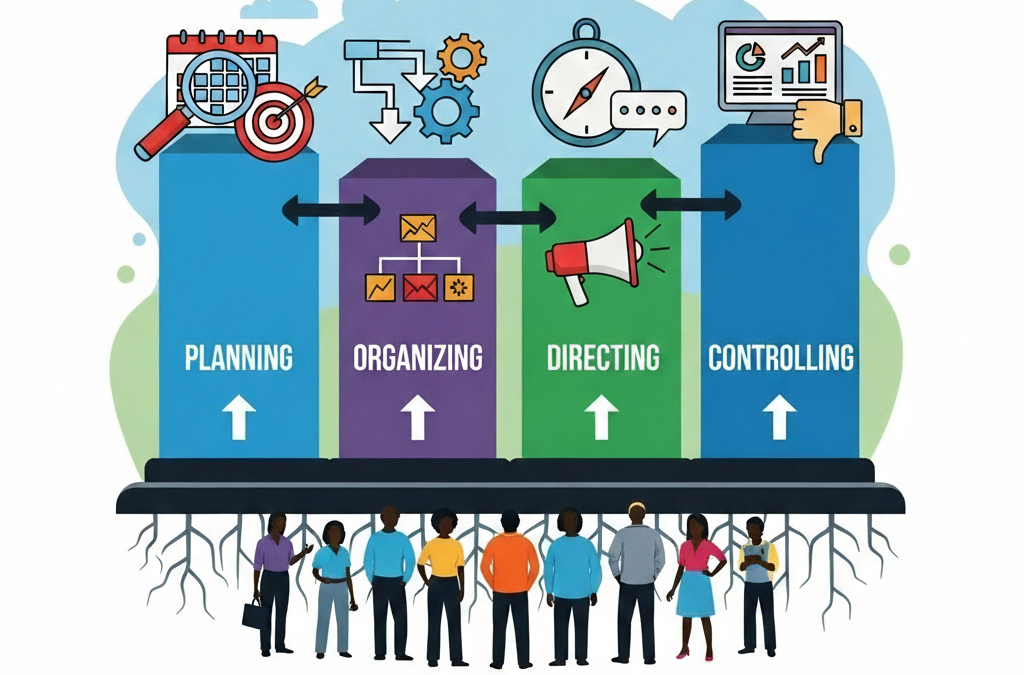
People are the lifeblood of every organization.
Whether it’s a manufacturing company or a fast-paced IT startup, the success of any business depends heavily on the quality of its people.In today’s competitive business landscape, hiring the right talent isn’t just an HR function — it’s a strategic necessity. Organizations need individuals who not only bring skills and experience but also align with the company’s culture, values, and long-term goals.
That’s where hiring strategies come into play.
Why Hiring Strategy Matters
A well-planned hiring strategy ensures that the right person is brought into the right role at the right time. Whether you’re hiring for an entry-level position or onboarding a senior executive, the approach you take can significantly impact productivity, retention, and organizational growth.
Types of Hiring Strategies Used by Organizations
Organizations typically deploy a variety of hiring strategies based on their needs, level of the role, and talent availability. Let’s look at the most common ones:
Entry-Level Hiring (Campus Recruitment)
One of the most dynamic hiring strategies in recent years has been campus recruitment. Organizations partner with colleges and universities to attract fresh graduates who are eager to learn and contribute.
Why it works:
- Access to a large talent pool
- Fresh ideas and enthusiasm
- Easier to shape into company culture
Lateral Hiring (Experienced Professionals)
Lateral hiring focuses on bringing in candidates with prior experience to fill mid- and senior-level roles. These individuals are often recruited through job portals, professional networks, or placement consultants.
Why it works:
- Quick onboarding due to prior experience
- Immediate impact on business functions
- Ideal for roles requiring niche skills
Strategic Hiring for Senior Roles
For leadership and executive roles, the approach is often discreet and highly targeted. Dedicated consultants or senior HR professionals may reach out personally to assess potential candidates based on leadership qualities, vision, and alignment with organizational goals.
Why it works:
- Ensures culture fit and strategic alignment
- Maintains confidentiality
- Attracts high-caliber leaders
Selective Hiring via Consultants
Placement consultants and staffing agencies often maintain large databases of potential candidates. Organizations may partner with them to fill specific roles, especially when internal HR teams have limited reach.
The Process Behind Effective Hiring
Regardless of the strategy used, most hiring processes involve a few core steps:
- Identifying and shortlisting candidates
- Determining compensation and benefits
- Extending an offer
- Onboarding the new hire
Depending on the role, this process can be completed in a few weeks or take several months for senior and niche positions.
Key Concepts in Hiring: Fitment and Expectations
One HR term you’ll often hear in recruitment discussions is “fitment.”
It refers to how well a candidate matches the job role — not just in terms of skills, but also in mindset, adaptability, and organizational culture.
Why it matters:
A poor fit can lead to dissatisfaction, underperformance, and eventually — attrition.
In fact, many employees leave organizations because the role they accepted doesn’t match the expectations they had. That’s why modern hiring focuses more on transparency, role clarity, and long-term alignment from the beginning.
Strategic Factors That Influence Hiring
Hiring is not just about filling vacancies. It’s a strategic HR function that’s influenced by several factors:
- Employer brand and reputation
- Market availability of skilled talent
- Flexibility in job roles
- Competitive salary packages
- Time-to-hire and process efficiency
Internal debates in HR often revolve around the time taken to hire and the cost-to-company being offered. Striking the right balance is key to attracting the best talent while staying within budget.
Conclusion: Hiring Is a Strategic Investment
In conclusion, hiring the right people is more than a transactional process — it’s a strategic investment in the organization’s future. Whether through campus placements, lateral recruitment, or executive search, each strategy must be aligned with the company’s vision and workforce planning goals.As the workforce continues to evolve, so too must the hiring strategies. Forward-thinking HR professionals will continue to refine their approach, always keeping in mind the central question:
Does this person fit the role, the culture, and the long-term goals of our organization?