by Siva | Apr 17, 2025 | General Insights |
In today’s rapidly evolving and competitive marketplace, Human Resource Management (HRM) has transformed from a routine administrative task into a pivotal catalyst for organizational excellence. HRM shapes talent, nurtures company culture, and aligns workforce strategies with overarching business ambitions. Here are eight compelling reasons why HRM is indispensable to driving business success:
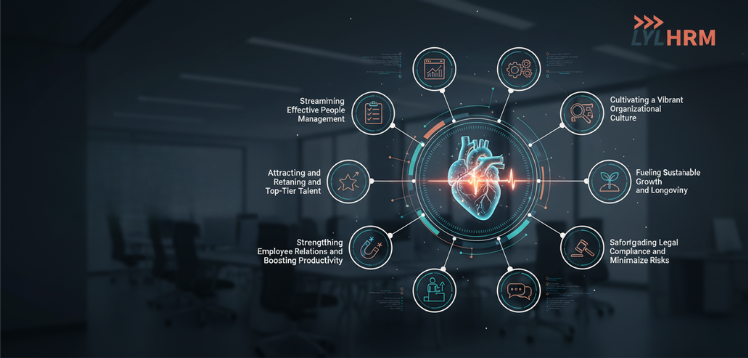
- Cultivating a Vibrant Organizational Culture
A thriving organizational culture fosters employee engagement, collaboration, and innovation. HRM spearheads the creation of an inclusive and empowering work environment, where shared values and purpose inspire teams to perform at their best.
- Steering Strategic Workforce Planning
HRM acts as a strategic advisor, anticipating talent needs and crafting workforce plans that synchronize with corporate objectives. By aligning human capital with business priorities, HR ensures the right expertise is in place to propel the company forward.
- Fueling Sustainable Growth and Longevity
Long-term business vitality depends on a skilled, adaptable workforce. HRM champions continuous professional development, succession planning, and leadership cultivation—essential elements for enduring growth and market resilience.
- Safeguarding Legal Compliance and Minimizing Risks
Navigating complex labor laws, safety standards, and regulatory requirements is critical. HRM provides a vigilant framework to ensure compliance, mitigating legal liabilities and protecting the organization’s reputation.
- Strengthening Employee Relations and Boosting Productivity
Positive employee relations are the foundation of a productive workforce. HRM promotes open communication, conflict resolution, and fairness, cultivating an engaged and motivated team that delivers superior results.
- Empowering Leadership at All Levels
HRM equips managers with vital resources, training, and guidance to lead effectively. When managers are empowered to inspire, evaluate, and develop their teams, organizational performance improves significantly.
- Attracting and Retaining Top-Tier Talent
Securing high-caliber professionals requires a strategic approach. HRM drives innovative recruitment, compelling employer branding, and retention initiatives that minimize turnover and sustain organizational knowledge.
- Streamlining Effective People Management
From onboarding new hires to performance evaluations, HRM ensures every phase of the employee journey is seamless and supportive. Clear policies, efficient processes, and continuous engagement create an environment where employees flourish.
Conclusion
Human Resource Management is far beyond paperwork—it is the backbone of business success. By cultivating culture, guiding strategic workforce planning, managing talent, and ensuring compliance, HRM lays the groundwork for companies to innovate, grow, and thrive. Investing in robust HRM practices isn’t just beneficial for people—it’s essential for securing a company’s competitive edge and future prosperity.

by Siva | Apr 12, 2025 | General Insights |
Introduction
In today’s fast-changing world, resilience isn’t just a personal trait—it’s a workplace necessity. Organizations face constant disruption: from economic uncertainty and technological evolution to global crises and shifting employee expectations. Amid this volatility, Human Resources (HR) plays a pivotal role. More than a support function, HR is the steady force behind resilient teams—those that adapt to change, recover from setbacks, and emerge even stronger.
Let’s explore how HR builds that resilience from the inside out.
- HR Creates Frameworks for Emotional and Psychological Safety
A resilient team begins with a sense of safety. Employees need to know they can express concerns, share ideas, and admit mistakes without fear of retaliation or judgment. HR is instrumental in fostering this environment by:
- Implementing clear anti-harassment and anti-discrimination policies
- Training leaders to respond with empathy and fairness
- Building DEI (Diversity, Equity, and Inclusion) strategies that ensure every voice is valued
Psychological safety lays the foundation for trust—and trust is the cornerstone of resilience.
- Fostering Open Communication During Organizational Change
Change is inevitable, but chaos isn’t. When teams are left in the dark during transitions—whether due to restructuring, mergers, or policy shifts—stress and misinformation can quickly erode morale.
HR acts as a communication bridge between leadership and employees by:
- Encouraging transparent, timely updates
- Hosting Q&A forums and feedback channels
- Equipping managers to have honest conversations with their teams
By normalizing dialogue during uncertainty, HR helps employees stay grounded, informed, and engaged.
- Providing Resources for Mental Health, Burnout Prevention, and Flexibility
Resilience doesn’t mean enduring stress—it means managing it effectively. HR supports employee well-being by providing tools and programs that help prevent burnout and promote sustainable performance:
- Employee Assistance Programs (EAPs)
- Mental health days and wellness initiatives
- Flexible work arrangements and remote options
- Training on time management and stress reduction
These resources remind employees that their health isn’t a trade-off for productivity—it’s a prerequisite.
- Championing a Culture of Adaptability and Continuous Learning
Resilient teams don’t fear change—they’re prepared for it. HR drives a growth-oriented mindset by embedding learning and adaptability into the culture:
- Investing in upskilling and reskilling programs
- Encouraging cross-functional collaboration
- Recognizing employees who embrace innovation and flexibility
When development becomes a shared value, teams are not only ready for what’s next—they’re eager to take it on.
Conclusion
HR doesn’t just support people through change—it empowers them to rise above it. By cultivating resilience from within—through psychological safety, clear communication, holistic well-being, and a commitment to growth—HR ensures that when adversity strikes, the team doesn’t crumble—it conquers.

by Siva | Apr 9, 2025 | General Insights |
Introduction
Diversity, Equity, and Inclusion (DEI) are more than corporate buzzwords—they’re essential pillars of a strong, innovative, and human-centered workplace. But DEI can’t thrive on mission statements alone. It requires ongoing, intentional action. That’s where HR comes in.
HR teams are uniquely positioned to move DEI from conversation to culture—embedding it into hiring practices, leadership development, policies, and everyday employee experiences. True belonging doesn’t happen by chance. It’s built, thoughtfully and deliberately.
Here’s how HR brings DEI to life in meaningful, measurable ways.
-
Developing Unbiased Recruitment and Promotion Processes
Building a diverse workforce begins at the source: recruitment. But traditional hiring and promotion systems often carry unconscious bias, favoring certain groups over others. HR helps create equity by:
- Writing inclusive job descriptions that avoid gendered or coded language
- Using structured interviews and blind resume reviews
- Ensuring diverse hiring panels
- Tracking demographic data to spot and correct disparities in advancement
By removing bias from the talent pipeline, HR ensures that opportunity is based on merit—not background, identity, or social networks.
-
Creating Inclusive Policies and Employee Resource Groups
Inclusion is about more than representation—it’s about the daily experience of being valued, supported, and understood. HR drives this by crafting policies and communities that recognize and celebrate diversity:
- Updating leave policies to reflect all family structures and cultural holidays
- Creating Employee Resource Groups (ERGs) for underrepresented groups to find community and visibility
- Establishing clear channels to report discrimination or microaggressions
- Supporting gender-inclusive facilities and language across internal systems
These efforts send a clear message: You belong here—not in theory, but in practice.
-
Training Leaders on Allyship and Cultural Competency
DEI doesn’t live in HR alone—it must be embraced across all levels of leadership. That starts with equipping managers and executives with the skills and awareness to lead inclusively:
- Conducting training on unconscious bias, microaggressions, and inclusive leadership
- Promoting active allyship—encouraging leaders to speak up, support marginalized voices, and model inclusive behavior
- Fostering cultural competency to navigate diverse perspectives with respect and empathy
When leaders lead with inclusivity, it signals to the entire organization that belonging is everyone’s responsibility.
-
Measuring DEI Outcomes and Holding the Organization Accountable
What gets measured gets managed—and DEI is no exception. HR ensures accountability by turning values into data-driven strategies:
- Setting measurable DEI goals related to hiring, retention, pay equity, and employee engagement
- Conducting regular climate surveys to gather feedback from all demographics
- Sharing transparent progress reports with leadership and employees
- Tying leadership performance reviews to DEI progress
This kind of transparency moves DEI from a vague aspiration to a living, evolving commitment.
Conclusion
Belonging isn’t automatic—it’s built. And it’s built through education, advocacy, and empathy. HR plays a vital role in shaping workplaces where every voice is heard, every story matters, and every person can thrive.
When DEI moves beyond the buzzwords, it transforms culture. It opens doors. It redefines what’s possible—not just for a few, but for everyone.
by Siva | Apr 8, 2025 | General Insights |
Introduction
In today’s competitive landscape, the employee experience isn’t just about perks or office culture—it’s a core driver of engagement, retention, and business success. From a new hire’s first impression to their final exit interview, every moment matters. And at the heart of this journey? HR.
HR plays a strategic role in designing and managing the entire employee lifecycle. It’s not just about solving problems—it’s about shaping experiences that build trust, foster growth, and leave lasting impressions.
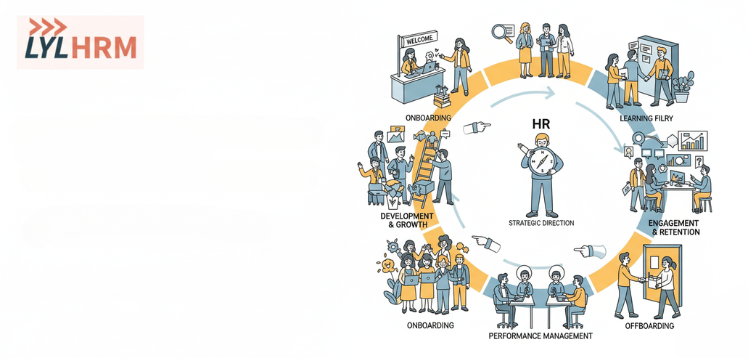
Here’s how HR crafts a consistent, people-centered journey—from onboarding to offboarding.
-
Crafting Seamless Onboarding That Builds Connection and Confidence
First impressions count. A thoughtful onboarding experience sets the tone for an employee’s entire tenure. HR ensures this critical phase does more than check boxes—it creates connection and clarity:
- Structured onboarding plans that go beyond paperwork
- Clear communication of role expectations and company values
- Opportunities for early relationship-building with team members and mentors
- Access to tools, systems, and resources from day one
When onboarding is intentional, employees feel welcomed, equipped, and excited to contribute—right from the start.
-
Maintaining Continuous Communication, Growth Opportunities, and Support
Engagement doesn’t end after the first week. HR is responsible for sustaining a positive experience throughout the employee’s journey by:
- Encouraging regular feedback and open dialogue between employees and managers
- Providing personalized development plans, training programs, and career advancement paths
- Supporting well-being through mental health resources, flexibility, and benefits
- Recognizing and celebrating achievements to foster a sense of purpose and belonging
By focusing on continuous support, HR helps employees stay motivated, connected, and committed.
- Managing Fair, Graceful Exits That Maintain Reputation and Morale
The end of an employee’s journey matters just as much as the beginning. Whether someone is moving on voluntarily or through an organizational shift, HR ensures that exits are handled with dignity and care:
- Clear communication around offboarding processes and expectations
- Exit interviews that provide insight and closure
- Smooth transitions for teams and knowledge handoff
- Maintaining alumni relationships when appropriate
A graceful exit not only protects morale and employer brand—it also opens the door for potential future collaboration.
- Collecting Feedback at Every Stage to Improve the Employee Journey
Continuous improvement is only possible with consistent feedback. HR builds systems to gather insights throughout the employee lifecycle:
- Onboarding surveys to identify gaps early
- Engagement and pulse surveys to monitor ongoing sentiment
- Exit interviews to capture lessons learned
- Analyzing trends to inform future strategy
This data-driven approach allows HR to proactively refine the employee experience—and respond to evolving needs with agility.
Conclusion
A powerful employee experience doesn’t happen by accident—it’s orchestrated. From the moment an offer is accepted to the day an employee says goodbye, HR designs each interaction to be intentional, respectful, and aligned with the organization’s values.
In doing so, HR doesn’t just manage people—it champions their experience, every step of the way.
by Siva | Apr 4, 2025 | Career Advancement, General Insights |
Human Resources has long outgrown its traditional administrative role. Today, HR is a strategic driver of business performance, playing a vital part in shaping company culture, boosting employee engagement, and ensuring long-term organizational success.
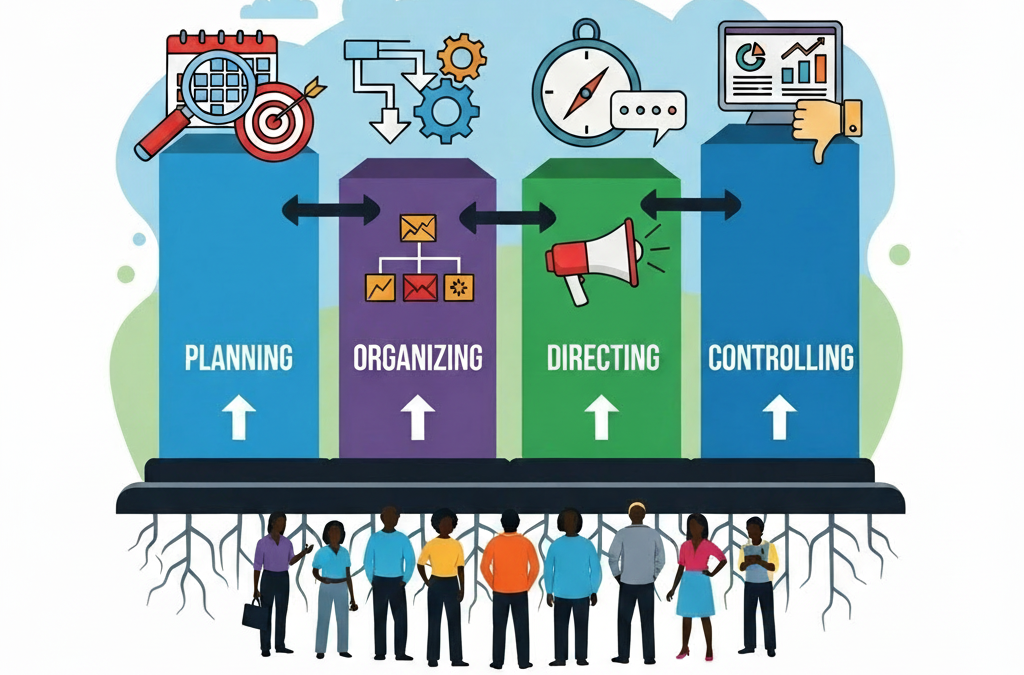
To understand the full scope of HR’s impact, we need to examine it through the lens of managerial functions: Planning, Organizing, Directing, and Controlling. These four pillars of strategic HR management provide a structured framework that empowers HR professionals to align people practices with business goals — and deliver measurable results.
Planning: The Blueprint for Workforce Success
At the heart of strategic HR is planning. This foundational function involves anticipating the future needs of the business and ensuring the right talent is in place to meet those needs.
What it includes:
- Workforce Planning: Identifying talent gaps and projecting future staffing needs.
- Strategic Alignment: Ensuring HR goals align with organizational objectives.
- Succession Planning: Preparing internal candidates for leadership roles.
- Policy Formulation: Creating proactive policies on recruitment, diversity, performance, and more.
Why it matters:
Without a clear plan, HR becomes reactive rather than proactive. Strategic planning allows businesses to adapt to market changes, scale efficiently, and avoid talent shortages that hinder growth.
Organizing: Structuring People and Processes
Once the plan is in place, the next step is organizing — designing the internal structure and systems needed to implement that plan effectively.
What it includes:
- Defining Roles and Responsibilities: Clarifying job descriptions and expectations.
- Building Teams: Structuring departments and assigning people to roles that match their strengths.
- HR Systems and Processes: Implementing tools like HRIS, performance management software, and onboarding platforms.
- Resource Allocation: Distributing people and resources to where they are needed most.
Why it matters:
An organized HR function ensures that everyone knows their role, communication flows smoothly, and work gets done efficiently. It reduces duplication, improves accountability, and boosts team collaboration.
Directing: Guiding People Toward Performance
With structure in place, HR’s role turns to directing — inspiring and guiding employees to perform at their best.
What it includes:
- Motivating Employees: Creating incentive programs and engagement initiatives.
- Training and Development: Offering learning opportunities to enhance skills and grow careers.
- Leadership Development: Equipping managers with tools to lead effectively.
- Communication: Ensuring transparency, feedback, and alignment across the organization.
Why it matters:
Effective direction translates strategy into action. It’s about turning goals into behaviors, and behaviors into results. Strong leadership and open communication foster a motivated workforce that’s committed to shared success.
Controlling: Measuring and Managing Performance
The final pillar, controlling, focuses on measuring results, ensuring compliance, and driving continuous improvement.
What it includes:
- Performance Management: Setting KPIs, conducting reviews, and managing underperformance.
- Compliance Monitoring: Ensuring adherence to labor laws and company policies.
- HR Metrics & Analytics: Tracking turnover, engagement, cost-per-hire, training ROI, etc.
- Feedback Loops: Using surveys, one-on-ones, and exit interviews to gather insights.
Why it matters:
Without control, even the best plans can go off track. Monitoring ensures HR efforts are delivering value, and provides the data needed to refine strategies, improve processes, and elevate overall performance.
Putting It All Together: A Strategic HR Flywheel
These four pillars aren’t linear steps — they’re part of a continuous cycle:
Plan with foresight → Organize for efficiency → Direct for performance → Control for results → Refine the Plan.
When HR executes these functions strategically, it becomes a value-creating force within the organization — not just supporting the business, but actively driving it forward.
Final Thoughts
Strategic HR management isn’t just about filling vacancies or processing payroll. It’s about aligning human capital with the business mission. By mastering the four managerial functions — planning, organizing, directing, and controlling — HR professionals can help build resilient organizations fueled by engaged, high-performing teams.
Whether you’re an HR leader or a business executive, understanding and embracing these pillars will help you unlock the full potential of your workforce.

by Siva | Feb 5, 2025 | General Insights |
When we think of strategic planning, our minds often jump to boardrooms, financial forecasts, and executive roadmaps. But in today’s competitive landscape, one critical element is often underestimated: people planning. Human Resources isn’t just a support function — it’s a strategic partner responsible for ensuring the organization has the right talent, with the right skills, at the right time. This is the essence of HR planning: proactively aligning your workforce with the future needs of the business.
This blog explores how HR planning goes beyond filling vacancies and starts shaping sustainable business success from the inside out.
What Is HR Planning?
At its core, Human Resource Planning is the process of:
- Forecasting future workforce needs
- Identifying current and potential skill gaps
- Aligning people strategy with business goals
Unlike reactive hiring, HR planning is proactive and forward-thinking. It ensures that the business isn’t just staffed — it’s prepared.
Why Planning People Matters More Than Ever
In a world of rapid change — driven by AI, remote work, shifting demographics, and evolving customer expectations — businesses can’t afford to make people decisions on the fly.
Here’s why people planning is mission-critical:
-
Supports Scalable Growth
You can’t grow your business if you don’t have the people to support it. HR planning anticipates expansion and ensures there’s a steady talent pipeline to meet future demands.
-
⚙️ Bridges Skill Gaps Before They Hurt Performance
Through workforce analytics and skills mapping, HR can identify where current capabilities fall short — and implement training or recruitment strategies before it becomes a problem.
-
Reduces Turnover and Hiring Costs
When hiring is rushed or misaligned, turnover increases. Strategic planning allows for thoughtful recruitment, better cultural fit, and stronger retention.
-
Aligns Talent with Strategy
Your five-year business plan won’t succeed unless the people behind it have the skills and direction to execute. HR ensures your workforce is ready for what’s next.
Key Components of Strategic HR Planning
Let’s break down what effective HR planning involves:
✅ 1. Workforce Forecasting
Predicting future staffing needs based on:
- Business goals and expansion plans
- Technology adoption
- Retirements and resignations
- Market trends and industry disruptions
✅ 2. Skills Inventory & Gap Analysis
- Assessing current employee competencies
- Identifying future skill needs
- Pinpointing gaps between the two
- Prioritizing upskilling or reskilling efforts
✅ 3. Succession Planning
- Identifying and nurturing internal talent for key roles
- Reducing reliance on external hiring for leadership
- Building organizational resilience during transitions
✅ 4. Talent Pipeline Development
- Building relationships with universities, industry groups, or gig workers
- Establishing internship, mentorship, and apprenticeship programs
- Creating flexible staffing models to meet fluctuating needs
✅ 5. HR Technology Integration
- Leveraging analytics tools and HRIS platforms for data-driven decisions
- Using AI for predictive hiring, retention risk analysis, and more
Real-World Example: HR Planning in Action
Consider a tech startup that plans to launch in two new markets in the next 18 months. Instead of scrambling to hire local sales teams and support staff after launch, a forward-thinking HR team will:
- Start mapping out required roles and skills now
- Identify high-potential internal talent for relocation or promotion
- Build a regional recruitment strategy
- Create onboarding processes tailored to new markets
By planning people ahead of time, the business hits the ground running — without costly delays or growing pains.
Shifting from Reactive to Strategic
Traditional HR often focuses on fixing problems as they arise:
- Someone quits → start recruiting
- A new team forms → hire a manager
- A project fails → analyze performance
Strategic HR planning flips the script. Instead of reacting, HR anticipates:
- Who will we need 6 months from now?
- What skills are becoming obsolete?
- Where can we develop from within?
- How will our structure need to evolve?
This mindset shift transforms HR from a service provider to a strategic architect of business success.
Final Thoughts: Planning People Is Planning Success
Every great business strategy relies on one thing: people. Without the right team, even the best ideas fall flat. Strategic HR planning ensures you’re not just hiring to meet today’s needs — but building a workforce ready for tomorrow’s challenges.
When HR plans people — not just processes — it becomes one of the most valuable assets an organization has.