
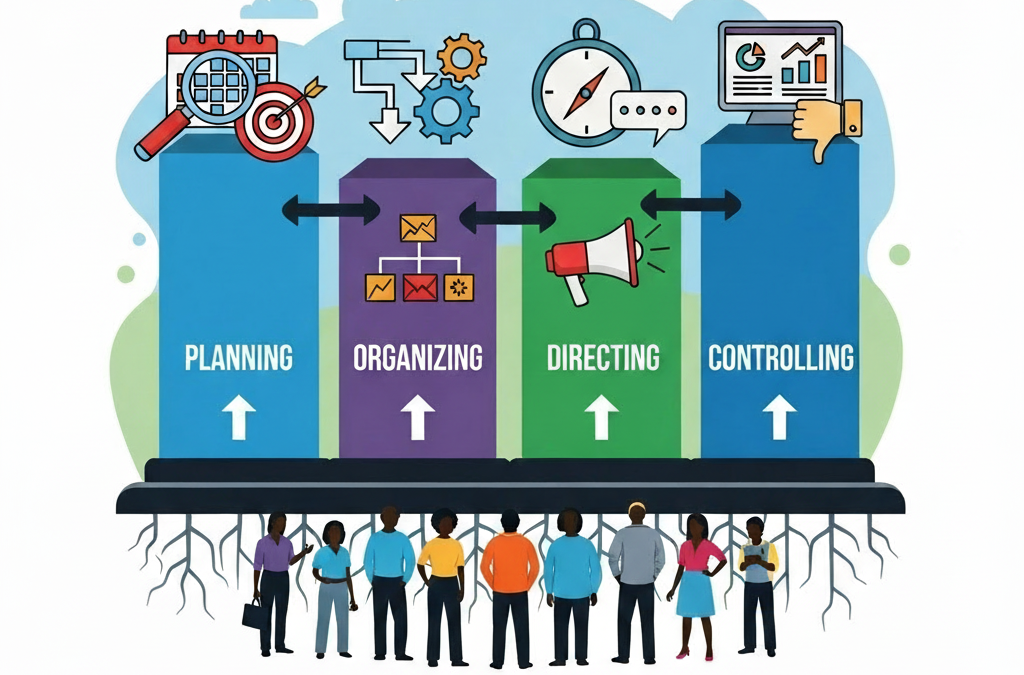
Every successful organization moves forward with a unified vision. This vision becomes reality through a well-thought-out strategy and its effective execution—where the Human Resources (HR) department plays a pivotal role.At the heart of HR strategy lie several interconnected processes. These processes aren’t just administrative checklists—they are building blocks that, when designed and implemented effectively, add continual value to the organization.
But what exactly are these processes? And how do they contribute to strategic execution? Let’s break them down and explore how each component forms the framework for HR success.
What Are HR Processes?
HR processes encompass the entire employee lifecycle—from forecasting manpower needs to training, performance evaluation, and even separation. Each process is interdependent, and their efficiency lies in how cohesively they function together.
Here’s an overview of the core HR processes:
1. Human Resource Planning
Often mistaken as merely manpower forecasting, Human Resource Planning is much broader. It includes:
- Recruitment strategy
- Evaluation systems
- Promotion planning
- Layoff and exit management
It’s about ensuring the right people are in the right roles at the right time—and planning for every stage of the employee lifecycle.
2. Recruitment
This is the first active step in building your workforce. Recruitment aims to attract candidates who match the organization’s job criteria and cultural fit. It includes:
- Job postings
- Employer branding
- Talent pipeline development
3. Selection
After attracting talent, selection is about filtering the best-suited candidates through interviews, assessments, and reference checks. The goal is to find individuals whose skills, experience, and potential align with the role.
4. Hiring
Hiring is the final decision-making step—choosing the right candidate and making the offer. It also includes negotiating compensation, issuing offer letters, and ensuring a smooth onboarding experience.
5. Training and Development
Once on board, employees must be empowered to grow. Training and development help enhance their technical skills, soft skills, and leadership abilities. This process includes:
- Orientation
- Technical and soft skills training
- Leadership development programs
- Continuous learning and upskilling
6. Employee Remuneration and Benefits Administration
Money may not buy happiness, but it sure impacts motivation. This process involves:
- Salaries and wages
- Bonuses and incentives
- Fringe benefits and perks
Fair and competitive compensation not only helps in retaining talent but also ensures compliance and internal equity.
7. Performance Management
Performance Management Systems (PMS) ensure that both employees and departments are aligned with organizational goals. It involves:
- Setting clear KPIs
- Regular performance reviews
- Feedback mechanisms
- Reward and recognition programs
Modern PMS tools are automated and data-driven, helping managers make informed decisions on training needs, promotions, and incentives.
8. Employee Relations
Employee retention is one of the biggest challenges organizations face—especially in competitive industries. While many factors influence retention, HR can directly control:
- Workplace environment
- Conflict management
- Health and safety
- Employee wellness programs
- Counseling and stress management
Strong employee relations create a sense of belonging and loyalty, which is critical for retention.
Why Integration Matters
No HR process works in isolation. A seamless experience—from recruitment to retention—can only happen when there is coordination, conformity, and consistency between each function.
For instance, a well-structured training program must align with the performance management system, which in turn should influence promotion and compensation decisions. When HR processes are siloed, organizations lose efficiency and risk employee dissatisfaction.
Conclusion: Strategy Needs Structure
HR strategies don’t succeed because they sound good—they succeed because they’re backed by strong, synchronized processes. Whether you’re a startup building your HR foundation or an enterprise optimizing existing systems, it’s crucial to treat each HR process as a strategic pillar, not just an operational necessity.
By designing your HR processes to be agile, employee-focused, and interdependent, you set the stage for a resilient and future-ready organization.