
Introduction
In today’s competitive landscape, the employee experience isn’t just about perks or office culture—it’s a core driver of engagement, retention, and business success. From a new hire’s first impression to their final exit interview, every moment matters. And at the heart of this journey? HR.
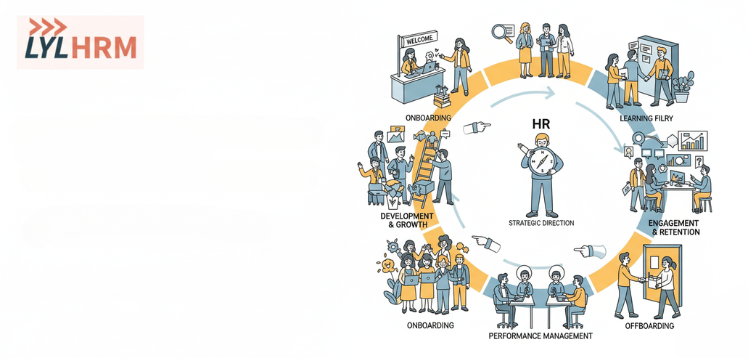
HR plays a strategic role in designing and managing the entire employee lifecycle. It’s not just about solving problems—it’s about shaping experiences that build trust, foster growth, and leave lasting impressions.
Here’s how HR crafts a consistent, people-centered journey—from onboarding to offboarding.
-
Crafting Seamless Onboarding That Builds Connection and Confidence
First impressions count. A thoughtful onboarding experience sets the tone for an employee’s entire tenure. HR ensures this critical phase does more than check boxes—it creates connection and clarity:
- Structured onboarding plans that go beyond paperwork
- Clear communication of role expectations and company values
- Opportunities for early relationship-building with team members and mentors
- Access to tools, systems, and resources from day one
When onboarding is intentional, employees feel welcomed, equipped, and excited to contribute—right from the start.
-
Maintaining Continuous Communication, Growth Opportunities, and Support
Engagement doesn’t end after the first week. HR is responsible for sustaining a positive experience throughout the employee’s journey by:
- Encouraging regular feedback and open dialogue between employees and managers
- Providing personalized development plans, training programs, and career advancement paths
- Supporting well-being through mental health resources, flexibility, and benefits
- Recognizing and celebrating achievements to foster a sense of purpose and belonging
By focusing on continuous support, HR helps employees stay motivated, connected, and committed.
- Managing Fair, Graceful Exits That Maintain Reputation and Morale
The end of an employee’s journey matters just as much as the beginning. Whether someone is moving on voluntarily or through an organizational shift, HR ensures that exits are handled with dignity and care:
- Clear communication around offboarding processes and expectations
- Exit interviews that provide insight and closure
- Smooth transitions for teams and knowledge handoff
- Maintaining alumni relationships when appropriate
A graceful exit not only protects morale and employer brand—it also opens the door for potential future collaboration.
- Collecting Feedback at Every Stage to Improve the Employee Journey
Continuous improvement is only possible with consistent feedback. HR builds systems to gather insights throughout the employee lifecycle:
- Onboarding surveys to identify gaps early
- Engagement and pulse surveys to monitor ongoing sentiment
- Exit interviews to capture lessons learned
- Analyzing trends to inform future strategy
This data-driven approach allows HR to proactively refine the employee experience—and respond to evolving needs with agility.
Conclusion
A powerful employee experience doesn’t happen by accident—it’s orchestrated. From the moment an offer is accepted to the day an employee says goodbye, HR designs each interaction to be intentional, respectful, and aligned with the organization’s values.
In doing so, HR doesn’t just manage people—it champions their experience, every step of the way.