by Siva | Apr 21, 2025 | Career Advancement, Certification Overview |
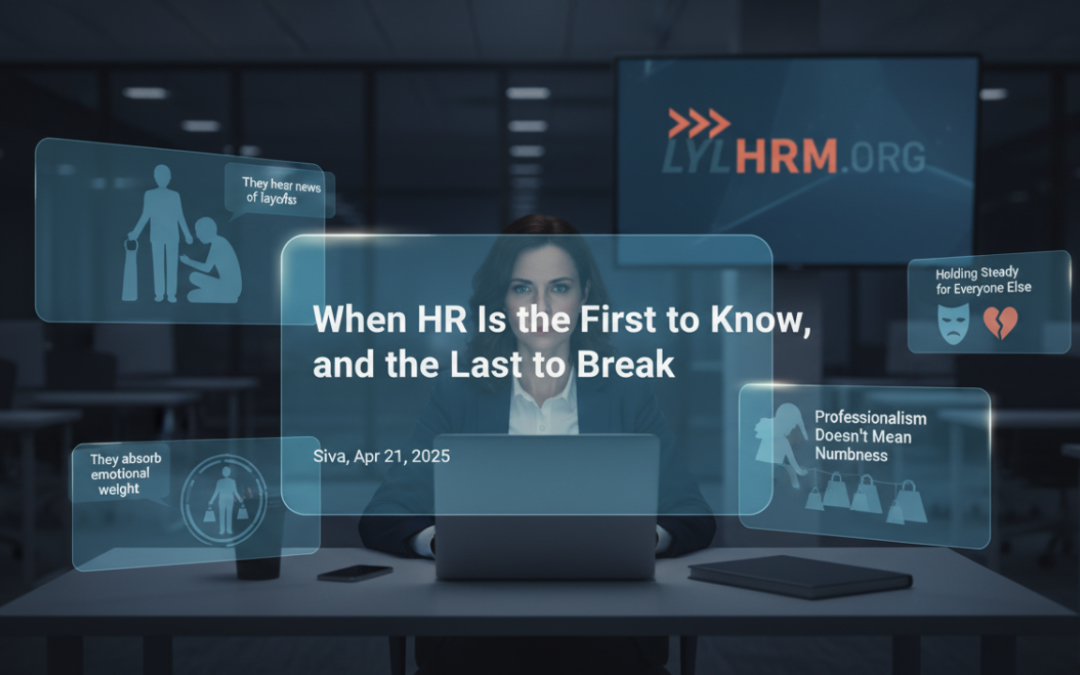
In every company, HR is often the first to know — and the last allowed to react.
They hear the news of layoffs before anyone else.
They receive complaints and confessions employees are scared to share.
They absorb emotional weight long before it becomes public.
And yet, they must stay composed, professional, and emotionally available for everyone else.
The Weight of Knowing Too Much, Too Soon
HR professionals sit in a unique space — privy to what’s coming, while expected to act as if everything’s normal.
They may know that someone’s job is at risk, yet still greet them with warmth.
They may hear personal struggles from employees, while juggling business pressures from above.
They may spend all day tending to others — then carry that emotional load home.
What’s most remarkable? They do it without letting it show.
Holding Steady for Everyone Else
HR’s job isn’t just about policies. It’s about emotional containment.
It’s about being a safe space for everyone else, even when no one offers them the same in return.
They walk into hard meetings with a calm voice.
They mediate tension while staying neutral.
They help others process feelings — but often suppress their own.
This isn’t just professionalism.
It’s a kind of silent strength that most people overlook.
Professionalism Doesn’t Mean Numbness
Let’s be clear: HR feels.
They feel the pain of letting someone go.
They feel the discomfort of navigating ethical gray areas.
They feel the pressure of being expected to always “do the right thing” — even when it’s hard to define what that is.
But they don’t get the luxury of breaking down.
They support others, and then quietly return to their desks, carrying it all.
Let’s Honor the Ones Who Hold It All Together
This blog isn’t just a reflection. It’s a recognition. To every HR professional who shows up, stays strong, and holds space when no one else will — thank you.
You may be the first to know.
You may be the last to break.
But you are also the one who keeps the company human.

by Siva | Apr 18, 2025 | Career Advancement, General Insights |
What is HR? Understanding the Heart of Every Organization
Human Resources, or HR, is often called the backbone of any organization. But what exactly does HR do? Simply put, HR is the department responsible for managing everything related to employees—from hiring new talent to resolving workplace issues, managing benefits, and ensuring compliance with laws.
HR professionals are the people behind the scenes who keep the workplace running smoothly and employees supported. They handle recruitment, onboarding, employee relations, payroll, and much more, making sure everyone has what they need to perform at their best.
Human Resource Management (HRM): More Than Just HR
While HR and Human Resource Management (HRM) might sound like the same thing, there’s a subtle but important difference. HRM refers to the strategic approach to managing people in a way that aligns with an organization’s goals. It’s about more than just day-to-day tasks—it’s a philosophy and a set of processes aimed at maximizing employee potential to boost the company’s overall success.
Think of HRM as the brain behind the department’s actions: setting policies, planning for future talent needs, and creating a work culture that drives performance and engagement.
Key Functions of HRM: What Does It Really Involve?
Here are some of the core activities HRM covers, which go beyond the traditional image of HR as just hiring and firing:
- Talent Acquisition
Finding the right people for the right jobs is fundamental. HRM ensures a fair, unbiased recruitment process that attracts qualified candidates, helping build a strong workforce.
- Training and Professional Development
Once hired, employees need continuous learning opportunities. HRM identifies skill gaps, designs training programs, and measures their success to keep the team growing.
- Employee Engagement and Satisfaction
Happy employees are productive employees. HRM focuses on creating a positive workplace environment that encourages motivation, commitment, and overall satisfaction.
- Compensation and Benefits Management
Competitive pay and benefits keep employees motivated and loyal. HRM conducts salary benchmarking, manages payroll, and designs benefit plans to ensure fairness and competitiveness.
- Conflict Resolution
Workplaces aren’t always smooth sailing. HRM handles conflicts between employees or management calmly and fairly, promoting harmony and clear communication.
- Performance Management
Setting expectations, providing feedback, and evaluating employee performance help individuals and teams reach their full potential.
- Building Organizational Reputation
HRM also plays a vital role in shaping the company’s culture and reputation—both inside and out. It promotes ethical standards, diversity and inclusion, and communicates the organization’s values clearly.
Why HRM Matters for Every Organization
Effective HRM connects people with purpose. It ensures the right talents are hired, developed, and supported while aligning everyone’s efforts with the company’s mission and goals. When HRM is done well, employees feel valued, workplaces thrive, and organizations gain a competitive edge. In today’s fast-evolving business world, HRM is not just a support function; it’s a critical driver of success. It shapes how organizations attract talent, adapt to change, and build a culture that lasts.
In summary, HR handles the essential daily management of people, while HRM provides the strategic vision and structure that make these efforts meaningful. Together, they create a workplace where employees can succeed and organizations can grow.
by Siva | Apr 16, 2025 | Career Advancement |
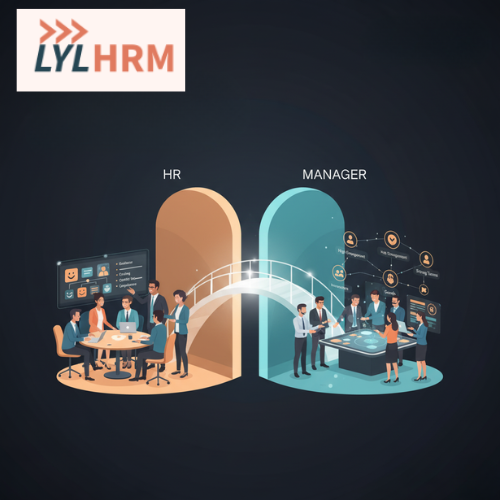
Managers play a pivotal role in any organization. They are the bridge between leadership and employees, responsible for guiding teams, making decisions, and driving results. However, managing people effectively is no easy task — and that’s where Human Resources (HR) steps in as a crucial partner.
Why Managers Need HR Support
Managing teams involves balancing goals, handling conflicts, motivating employees, and ensuring productivity — all while aligning with the company’s policies and culture. Without proper support, managers can feel overwhelmed or unprepared to tackle these challenges.
HR provides the resources, tools, and guidance that empower managers to lead confidently and effectively.
Key Ways HR Supports Managers
- Providing People Management Guidance:
HR offers advice on best practices for communication, team motivation, and conflict resolution, helping managers handle sensitive situations professionally and constructively.
- Offering Training and Development:
Continuous learning opportunities — from leadership workshops to skill-building courses — help managers stay up to date with the latest management techniques and boost their confidence.
- Assisting with Performance Management:
HR helps managers set clear expectations, conduct fair performance reviews, and implement improvement plans, ensuring employees stay motivated and accountable.
- Supporting Conflict Resolution:
When disputes arise, HR provides a neutral, structured approach to resolve conflicts, helping maintain a positive and productive workplace.
- Facilitating Compliance and Policy Understanding:
HR ensures managers understand legal requirements and company policies, reducing risks related to workplace laws and fostering fairness.
The Impact of Empowered Managers
When HR equips managers with the right support, the entire organization benefits:
- Stronger employee-manager relationships
- Higher employee engagement and retention rates
- More effective and timely decision-making
- Greater innovation and creative problem-solving
- Improved customer satisfaction through better team performance
- A more positive and adaptable organizational culture
Conclusion: A Partnership That Drives Success
HR isn’t just a support department—it’s a strategic partner that equips managers to lead with skill and confidence. By empowering managers, HR helps build stronger teams, foster a healthy work environment, and drive lasting business success.
Together, HR and managers create the foundation for a thriving workplace where both people and business flourish.

by Siva | Apr 14, 2025 | Career Advancement |
At the heart of every successful organization is its people—and their productivity is the engine that drives business forward. But productivity isn’t just about clocking hours; it’s about creating an environment where employees feel inspired, clear on their goals, and empowered to excel. That’s where Human Resources (HR) steps in as a game-changer.
Crafting a Culture Where People Thrive
A vibrant, positive work environment is the secret sauce behind peak performance. HR professionals are the architects of this culture—championing inclusivity, respect, and motivation that makes employees want to bring their A-game every day. When the workplace feels supportive, collaboration flourishes and stress takes a back seat.
Clarity Is the Catalyst for Success
Nothing kills momentum like confusion. HR ensures every team member knows exactly what’s expected of them—clear roles, responsibilities, and performance targets. With this roadmap, employees can laser-focus their efforts, turning ambition into achievement without guesswork.
Performance Management: Your Personal Growth GPS
A top-notch performance management system is more than just reviews—it’s a dynamic tool that keeps employees on track and growing. HR designs these systems to:
- Set crystal-clear, measurable goals
- Provide ongoing check-ins that motivate
- Deliver timely, actionable feedback
- Create opportunities for skill-building and coaching
This continuous support fuels engagement and sharpens capabilities.
The Magic of Meaningful Feedback
Feedback isn’t just a box to tick—it’s the heartbeat of employee engagement. An impressive 89% of HR experts agree that regular, honest feedback paired with clear expectations transforms productivity and morale.
Through feedback, employees:
- Celebrate their wins and build confidence
- Tackle challenges without fear or frustration
- Feel genuinely valued and connected
This ongoing conversation sparks a culture of growth and trust.
Productivity: The Ultimate Business Booster
When employees are engaged, aligned, and supported, the results speak for themselves:
- Projects finish faster and exceed expectations
- Quality skyrockets, reducing costly mistakes
- Turnover drops, saving time and resources
- Customers enjoy better experiences, driving loyalty
In essence, boosting employee productivity is a direct path to elevating business success.
Conclusion: HR—The Powerhouse Behind Productivity
HR is far more than a support function; it’s a strategic partner in unlocking employee potential. By fostering strong relationships, clear communication, and continuous development, HR transforms the workplace into a powerhouse of productivity. The payoff? A motivated, high-performing workforce that propels the organization to new heights.
by Siva | Apr 4, 2025 | Career Advancement, General Insights |
Human Resources has long outgrown its traditional administrative role. Today, HR is a strategic driver of business performance, playing a vital part in shaping company culture, boosting employee engagement, and ensuring long-term organizational success.
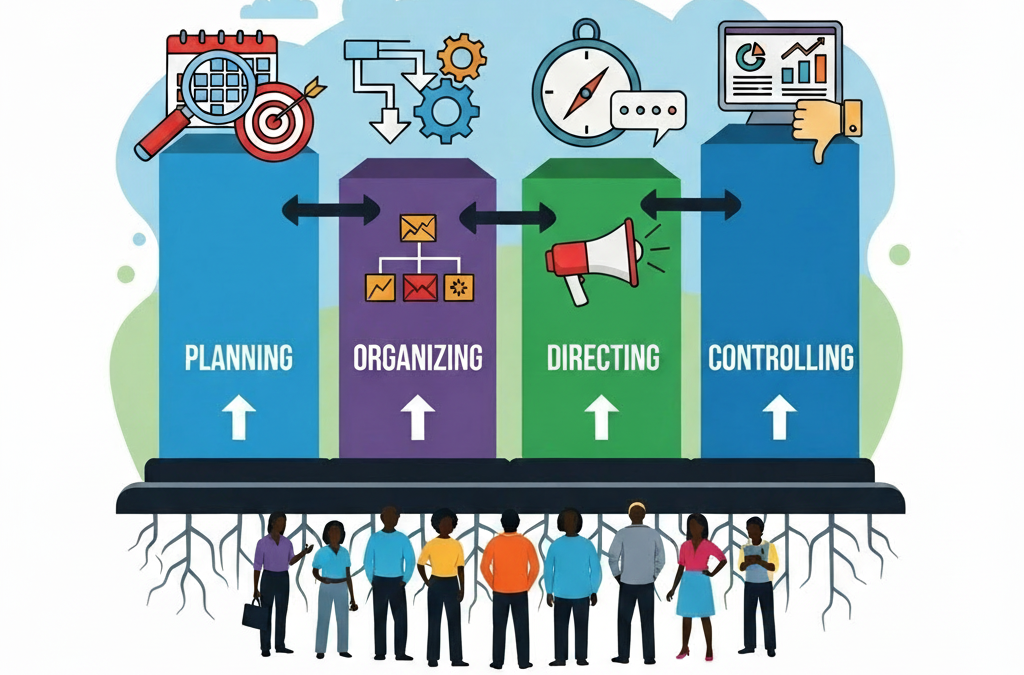
To understand the full scope of HR’s impact, we need to examine it through the lens of managerial functions: Planning, Organizing, Directing, and Controlling. These four pillars of strategic HR management provide a structured framework that empowers HR professionals to align people practices with business goals — and deliver measurable results.
Planning: The Blueprint for Workforce Success
At the heart of strategic HR is planning. This foundational function involves anticipating the future needs of the business and ensuring the right talent is in place to meet those needs.
What it includes:
- Workforce Planning: Identifying talent gaps and projecting future staffing needs.
- Strategic Alignment: Ensuring HR goals align with organizational objectives.
- Succession Planning: Preparing internal candidates for leadership roles.
- Policy Formulation: Creating proactive policies on recruitment, diversity, performance, and more.
Why it matters:
Without a clear plan, HR becomes reactive rather than proactive. Strategic planning allows businesses to adapt to market changes, scale efficiently, and avoid talent shortages that hinder growth.
Organizing: Structuring People and Processes
Once the plan is in place, the next step is organizing — designing the internal structure and systems needed to implement that plan effectively.
What it includes:
- Defining Roles and Responsibilities: Clarifying job descriptions and expectations.
- Building Teams: Structuring departments and assigning people to roles that match their strengths.
- HR Systems and Processes: Implementing tools like HRIS, performance management software, and onboarding platforms.
- Resource Allocation: Distributing people and resources to where they are needed most.
Why it matters:
An organized HR function ensures that everyone knows their role, communication flows smoothly, and work gets done efficiently. It reduces duplication, improves accountability, and boosts team collaboration.
Directing: Guiding People Toward Performance
With structure in place, HR’s role turns to directing — inspiring and guiding employees to perform at their best.
What it includes:
- Motivating Employees: Creating incentive programs and engagement initiatives.
- Training and Development: Offering learning opportunities to enhance skills and grow careers.
- Leadership Development: Equipping managers with tools to lead effectively.
- Communication: Ensuring transparency, feedback, and alignment across the organization.
Why it matters:
Effective direction translates strategy into action. It’s about turning goals into behaviors, and behaviors into results. Strong leadership and open communication foster a motivated workforce that’s committed to shared success.
Controlling: Measuring and Managing Performance
The final pillar, controlling, focuses on measuring results, ensuring compliance, and driving continuous improvement.
What it includes:
- Performance Management: Setting KPIs, conducting reviews, and managing underperformance.
- Compliance Monitoring: Ensuring adherence to labor laws and company policies.
- HR Metrics & Analytics: Tracking turnover, engagement, cost-per-hire, training ROI, etc.
- Feedback Loops: Using surveys, one-on-ones, and exit interviews to gather insights.
Why it matters:
Without control, even the best plans can go off track. Monitoring ensures HR efforts are delivering value, and provides the data needed to refine strategies, improve processes, and elevate overall performance.
Putting It All Together: A Strategic HR Flywheel
These four pillars aren’t linear steps — they’re part of a continuous cycle:
Plan with foresight → Organize for efficiency → Direct for performance → Control for results → Refine the Plan.
When HR executes these functions strategically, it becomes a value-creating force within the organization — not just supporting the business, but actively driving it forward.
Final Thoughts
Strategic HR management isn’t just about filling vacancies or processing payroll. It’s about aligning human capital with the business mission. By mastering the four managerial functions — planning, organizing, directing, and controlling — HR professionals can help build resilient organizations fueled by engaged, high-performing teams.
Whether you’re an HR leader or a business executive, understanding and embracing these pillars will help you unlock the full potential of your workforce.
