
Human Resources has long outgrown its traditional administrative role. Today, HR is a strategic driver of business performance, playing a vital part in shaping company culture, boosting employee engagement, and ensuring long-term organizational success.
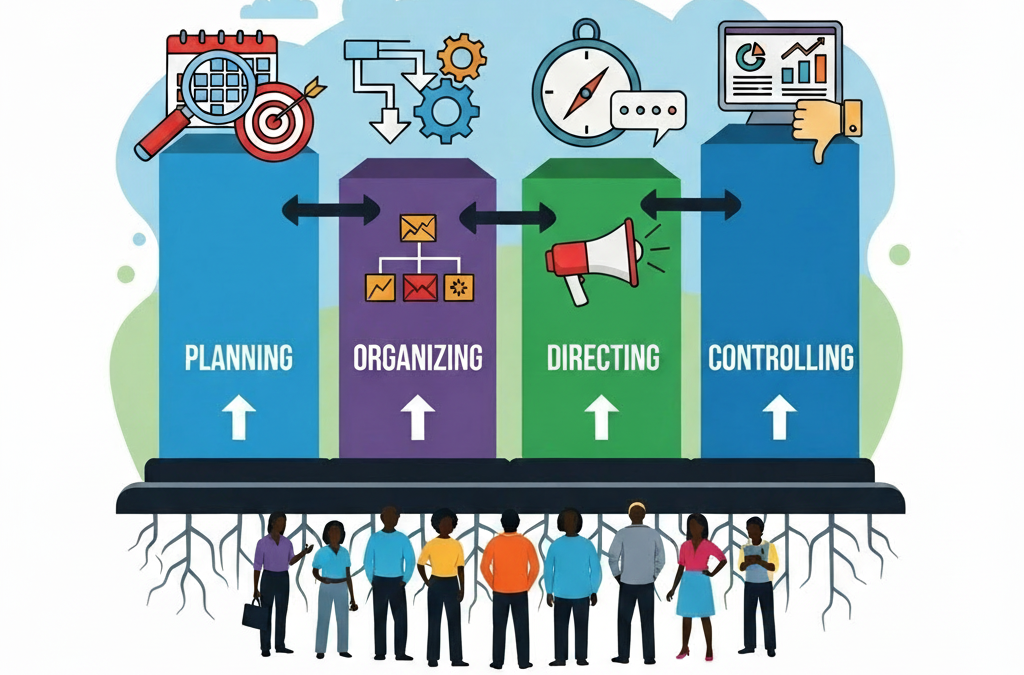
To understand the full scope of HR’s impact, we need to examine it through the lens of managerial functions: Planning, Organizing, Directing, and Controlling. These four pillars of strategic HR management provide a structured framework that empowers HR professionals to align people practices with business goals — and deliver measurable results.
Planning: The Blueprint for Workforce Success
At the heart of strategic HR is planning. This foundational function involves anticipating the future needs of the business and ensuring the right talent is in place to meet those needs.
What it includes:
- Workforce Planning: Identifying talent gaps and projecting future staffing needs.
- Strategic Alignment: Ensuring HR goals align with organizational objectives.
- Succession Planning: Preparing internal candidates for leadership roles.
- Policy Formulation: Creating proactive policies on recruitment, diversity, performance, and more.
Why it matters:
Without a clear plan, HR becomes reactive rather than proactive. Strategic planning allows businesses to adapt to market changes, scale efficiently, and avoid talent shortages that hinder growth.
Organizing: Structuring People and Processes
Once the plan is in place, the next step is organizing — designing the internal structure and systems needed to implement that plan effectively.
What it includes:
- Defining Roles and Responsibilities: Clarifying job descriptions and expectations.
- Building Teams: Structuring departments and assigning people to roles that match their strengths.
- HR Systems and Processes: Implementing tools like HRIS, performance management software, and onboarding platforms.
- Resource Allocation: Distributing people and resources to where they are needed most.
Why it matters:
An organized HR function ensures that everyone knows their role, communication flows smoothly, and work gets done efficiently. It reduces duplication, improves accountability, and boosts team collaboration.
Directing: Guiding People Toward Performance
With structure in place, HR’s role turns to directing — inspiring and guiding employees to perform at their best.
What it includes:
- Motivating Employees: Creating incentive programs and engagement initiatives.
- Training and Development: Offering learning opportunities to enhance skills and grow careers.
- Leadership Development: Equipping managers with tools to lead effectively.
- Communication: Ensuring transparency, feedback, and alignment across the organization.
Why it matters:
Effective direction translates strategy into action. It’s about turning goals into behaviors, and behaviors into results. Strong leadership and open communication foster a motivated workforce that’s committed to shared success.
Controlling: Measuring and Managing Performance
The final pillar, controlling, focuses on measuring results, ensuring compliance, and driving continuous improvement.
What it includes:
- Performance Management: Setting KPIs, conducting reviews, and managing underperformance.
- Compliance Monitoring: Ensuring adherence to labor laws and company policies.
- HR Metrics & Analytics: Tracking turnover, engagement, cost-per-hire, training ROI, etc.
- Feedback Loops: Using surveys, one-on-ones, and exit interviews to gather insights.
Why it matters:
Without control, even the best plans can go off track. Monitoring ensures HR efforts are delivering value, and provides the data needed to refine strategies, improve processes, and elevate overall performance.
Putting It All Together: A Strategic HR Flywheel
These four pillars aren’t linear steps — they’re part of a continuous cycle:
Plan with foresight → Organize for efficiency → Direct for performance → Control for results → Refine the Plan.
When HR executes these functions strategically, it becomes a value-creating force within the organization — not just supporting the business, but actively driving it forward.
Final Thoughts
Strategic HR management isn’t just about filling vacancies or processing payroll. It’s about aligning human capital with the business mission. By mastering the four managerial functions — planning, organizing, directing, and controlling — HR professionals can help build resilient organizations fueled by engaged, high-performing teams.
Whether you’re an HR leader or a business executive, understanding and embracing these pillars will help you unlock the full potential of your workforce.